Waste disposal and donation rules for Lambeth removals
Moving house or office in Lambeth can feel simple on paper and messy in real life. One minute you are sorting a wardrobe, the next you are staring at three bags of broken bits, a sofa you no longer want, and a stack of boxes that have somehow multiplied overnight. The good news is that waste disposal and donation rules for Lambeth removals are manageable once you know what counts as rubbish, what can be reused, and what needs a proper disposal route.
This guide walks you through the practical side of clearing out responsibly before a move in Lambeth. You will learn how to separate reusable items from waste, what to do with bulky furniture, how to avoid common removal-day mistakes, and how to keep things tidy, legal, and a lot less stressful. To be fair, most moving problems start with last-minute sorting, not with the move itself.
If you are planning a broader move, it can also help to look at removal services, home moves, or furniture removals so you can line up the disposal plan with the move itself rather than treating them as separate jobs.
Contents
- Why waste disposal and donation rules matter
- How the process works in practice
- Key benefits and practical advantages
- Who this is for and when it makes sense
- Step-by-step guidance
- Expert tips for better results
- Common mistakes to avoid
- Tools, resources and recommendations
- Law, compliance, standards, and best practice
- Options, methods, and comparison table
- Case study or real-world example
- Practical checklist
- Conclusion
- Frequently asked questions
Why Waste disposal and donation rules for Lambeth removals Matters
Waste disposal rules matter because moving is one of those moments when the contents of your home get judged item by item. Some things are obviously ready for disposal. Others are perfectly usable but no longer worth carrying to the next place. And some items sit awkwardly in the middle, like that chair with one wobbly leg that you swear you will fix one day. That day rarely arrives.
In Lambeth, as in the rest of London, you also need to think about how items are handled after they leave your property. It is not just about clearing space. It is about avoiding fly-tipping, separating reusable donations from genuine waste, and making sure anything you hand over is suitable for reuse or accepted by the receiving organisation. That protects you, the people collecting the items, and the environment.
There is also a practical benefit. A cleaner pre-move sort often means fewer van loads, less wasted time, and less chance of paying to move things you should have donated, recycled, or disposed of sooner. If you are moving from a flat, especially somewhere compact, the difference can be dramatic. One small hallway can hide a surprising amount of unwanted stuff.
Expert summary: The easiest removals are usually the ones where waste, recycling, and donation are decided before moving day. Leave the grey area until the end and you will almost always pay for it later, either in time or in stress.
It is also worth remembering that some removal jobs include only transport, while others need a fuller clearance mindset. If your move involves a lot of sorting, packing and boxes support can help you separate keep, donate, recycle, and dispose items properly before the van even arrives.
How Waste disposal and donation rules for Lambeth removals Works
The basic process is straightforward once you strip away the jargon. You sort items into categories, check what can be reused, and then choose the right destination for each category. In practice, that usually means four streams: keep, donate, recycle, and dispose.
1. Keep
These are the items you want in your new place. Pack them carefully and label them so they do not get mixed up with unwanted goods. Sounds obvious, but on moving day a half-open box can turn into a mystery box very quickly.
2. Donate
Donation is for items that are clean, safe, complete, and good enough for another household to use. Think usable furniture, small appliances that work, books, kitchenware, clothes, and homeware in respectable condition. Donation is not the same as offloading your junk. A charity or reuse organisation may refuse items that are damaged, stained, broken, missing parts, or unsafe.
3. Recycle
Recycling is for materials that can be processed again, such as cardboard, some metals, certain plastics, and electricals through proper channels. Remove obvious contamination where possible. A greasy pizza box and a clean moving box are not the same thing, even though they are both technically cardboard. Waste staff notice these things, and so do the people receiving donations.
4. Dispose
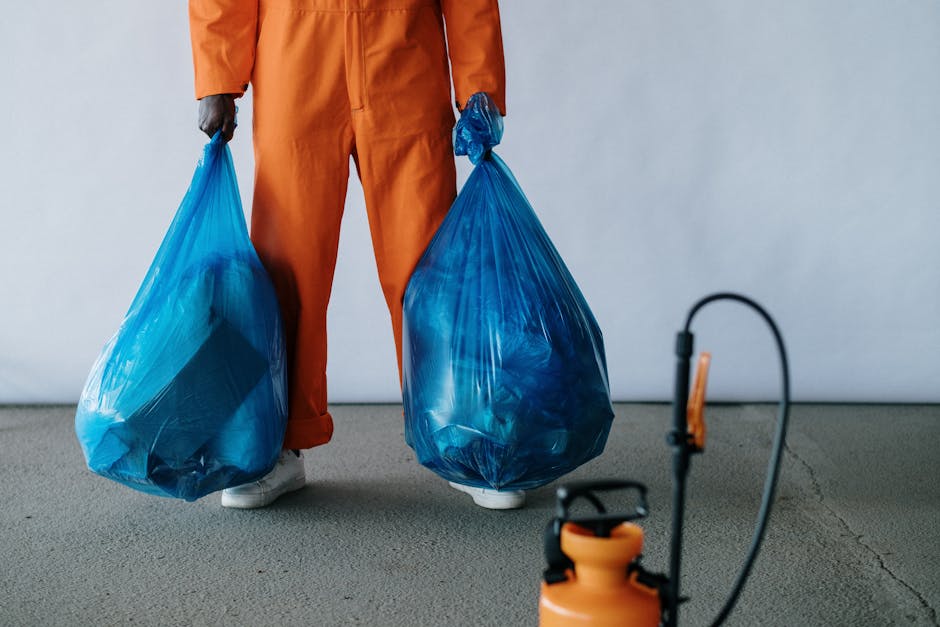
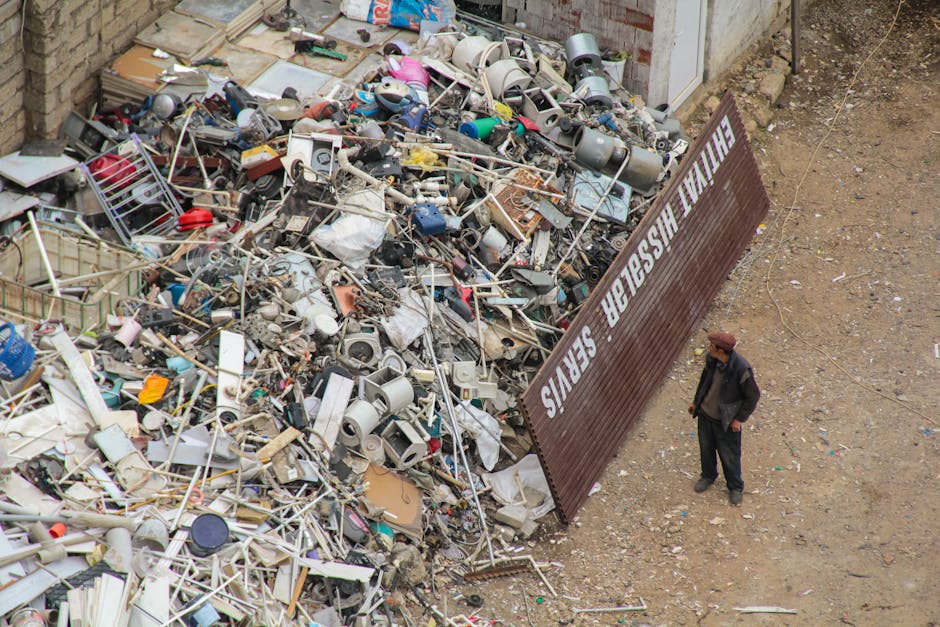
True waste includes broken furniture beyond repair, unusable mattresses, damaged soft furnishings, and mixed items that cannot be reused or recycled easily. Some materials need special handling, especially paint, batteries, chemicals, gas canisters, fridges, and items containing hazardous components. Those should never be dumped with general household rubbish.
During a Lambeth removal, the actual route often depends on the nature of the items and the volume involved. A few bagged bits may be simple. A full flat clearance with old wardrobes, a bed base, and a stack of electronics is another story entirely. If you are dealing with bulky items, a service such as furniture pick up can be a useful option when the goal is to remove items quickly and responsibly rather than leave them sitting in a corridor for a week.
What makes donation different from disposal?
Donation is about useful life. Disposal is about removal from circulation. That distinction matters because charities and reuse schemes need items that are clean, safe, and worthy of passing on. You should not assume that something old but intact is automatically acceptable. A scratched table might be fine, but a sofa with tears, smells, or structural damage may not be.
Key Benefits and Practical Advantages
Doing waste and donation properly before a move is not just about "being responsible". It creates very real advantages on the day.
- Less clutter on moving day: Your team can work faster when the home is not full of undecided items.
- Lower moving costs: Less volume usually means fewer journeys and less labour.
- Better use of space: If you are moving into a smaller flat, every saved box matters.
- Cleaner environmental outcome: Reuse and recycling keep useful materials in circulation longer.
- Less emotional friction: Decision fatigue is real. Sorting earlier reduces that awful last-minute feeling where everything suddenly seems important.
- Reduced risk of mistakes: No accidental dumping of passports, receipts, cables, chargers, or medication hidden in drawers.
There is a quieter benefit too. People feel calmer in a well-sorted move. The house sounds different when it is no longer echoing with piled-up clutter. The job starts to feel manageable. That matters, especially if you are moving with children, working from home, or trying to wrap things up around a tight deadline.
If the move is bigger than a standard home clear-out, you may also want to look at flat removals or house removals so the clearance plan and moving plan line up neatly.
Who This Is For and When It Makes Sense
This topic matters to a lot of people, not just those doing a full household move. In fact, the most common need is often a partial one. You are keeping most things, but you still need to clear a few bulky items and a pile of bits you do not want to carry forward.
This is especially relevant if you are:
- moving from a flat with limited storage
- downsizing after a long tenancy
- clearing a room for a new occupant
- upgrading furniture before moving
- preparing a rental property for handover
- moving office equipment or surplus stock
- helping a student move out at the end of term
For students, the temptation is often to leave a lot until the final morning. Understandable, really. But a simple sort into "keep", "donate", and "bin" the night before can save a lot of chaos. If that sounds familiar, student removals is worth considering for compact but time-sensitive moves.
Commercial moves bring their own version of the same issue. Desks, chairs, archive material, packaging, broken IT equipment, and leftover stock need separate decisions. In those cases, commercial moves and office removals can help structure the job properly, especially if your business has a lot of surplus furniture.
Step-by-Step Guidance
Here is the cleanest way to approach waste disposal and donation rules for Lambeth removals without overcomplicating it.
Step 1: Walk the property room by room
Start with a simple physical check. Open cupboards. Look behind doors. Check under beds. The items people forget are usually the items that create the most last-minute noise. Cables, chargers, old documents, half-used cleaning products, and spare bulbs tend to lurk in plain sight.
Step 2: Sort into four groups
- Keep
- Donate
- Recycle
- Dispose
Do not create a fifth category called "maybe". Maybe is where moves go to die. If something is genuinely undecided, set a short deadline and revisit it. Do not carry the uncertainty all the way to moving day.
Step 3: Check donation suitability honestly
Ask three questions: Is it clean? Is it safe? Is it complete? If the answer to any of those is no, donation may not be appropriate. A charity shop, reuse scheme, or collection service can only accept items they can reasonably pass on without making the next person deal with your problem.
Step 4: Separate recyclables properly
Break down cardboard. Bag soft plastics only where appropriate. Keep electrical items together. Put batteries aside safely. If you are disposing of a large amount of packaging after a move, it is sensible to plan a second load rather than forcing everything into one overfull pile.
Step 5: Handle special waste carefully
Paint, chemicals, cleaning fluids, light bulbs, fridges, freezers, and electronic waste should be handled with care. Do not mix them into ordinary rubbish because it feels easier at the time. That shortcut often creates more work later. And yes, it can be a bit of a faff, but safer is safer.
Step 6: Decide how items will leave the property
Some items can be taken with the main move. Others may need separate removal, especially bulky furniture or donation-ready pieces. If you are trying to remove a heavy sofa, a few old cabinets, or a pile of mixed items, a service such as man and van or removal van support can make the logistics much easier.
Step 7: Leave the property clear and safe
Before handing back keys or finishing the move, do one final sweep. Check loft spaces, meter cupboards, shed corners, and the back of wardrobe shelves. It is usually the last 10 minutes that save the most embarrassment.
Expert Tips for Better Results
A few small habits make a surprisingly big difference.
- Use visible labels: Large handwritten labels beat tiny sticky notes every time.
- Photograph donation items: Helpful if you need to show condition before collection.
- Keep screws and fittings together: Tape them to the relevant furniture or place them in a clearly marked bag.
- Book a little buffer time: Same-day decisions are where people make waste mistakes.
- Separate "maybe" items early: Put them in one box and revisit once, not six times.
- Don't overfill black bags: Heavy bags rip. Then you are mopping the floor at 7:30 in the morning. Not ideal.
A good moving plan also accounts for timing. If you are clearing a lot of items, it can help to do the dispose-and-donate sort a day or two before the van arrives. That way, the move itself feels like transport rather than triage. A very different mood, honestly.
For higher-value or fragile pieces, such as a piano or specialist furniture, extra caution matters. You may want to combine donation and removal planning with piano removals or other specialist handling if the item is being kept, relocated, or replaced.
Common Mistakes to Avoid
Most issues during removals come from a handful of predictable errors. The good news is that they are easy to avoid once you know them.
- Assuming everything old can be donated: Age is not the same as suitability.
- Mixing waste with donations: One spoiled bag can ruin the lot.
- Leaving clearance decisions until moving day: This causes rushed choices and unnecessary disposal costs.
- Forgetting hazardous items: Batteries, liquids, and chemicals are often discovered too late.
- Trying to move too much packaging: Broken-down boxes and plastic wrap add up quickly.
- Dumping items in communal areas: That creates nuisance, complaints, and potential fly-tipping issues.
- Not checking access: If a bulky item cannot fit through the stairwell, the whole plan changes.
One surprisingly common problem is the "I'll sort it later" box. It starts as a useful box. It ends up as a mystery box. Then it becomes a storage problem. Then it becomes a cost. Let's face it, that box has a talent for becoming expensive.
Tools, Resources and Recommendations
You do not need fancy tools to get this right. What helps most is a simple, repeatable system.
Useful basics
- strong marker pens
- labels or masking tape
- clear bin bags for donations or sorting
- sturdy boxes for keep items
- a sack trolley for heavier items
- gloves for dirty loft or shed contents
Practical recommendations
If your move involves many items that are still usable, try to create a "donate first" lane before you even think about disposal. A good donation pile can reduce both waste and moving volume. If you are not sure whether an item should be reused, ask whether you would happily hand it to a friend. That is usually a decent real-world test.
For properties with lots of furniture, a dedicated furniture collection route can be more efficient than trying to handle everything as mixed waste. See furniture pick up if you need a straightforward way to shift reusable or bulky items out of the way.
If the move includes boxes, wrapping, and room-by-room packing support, packing and unpacking services can reduce the chance of donation items being packed by mistake. That happens more often than people admit.
Law, Compliance, Standards, or Best Practice
While this article is practical rather than legal advice, there are a few sensible UK principles to keep in mind. You remain responsible for how waste from your property is handled until it is passed to an appropriate carrier or disposal route. That is the real-world point behind the paperwork.
Best practice means using reputable waste carriers, avoiding fly-tipping, and keeping clear records where needed for business or landlord handovers. For larger clearances, especially commercial or tenancy-related moves, it is wise to be cautious about who is taking the items and what they are doing with them. If someone offers a suspiciously cheap "we'll take anything" deal and disappears with your old furniture, that is not a win. It is a risk.
For safety and insurance concerns, it is also sensible to check that the removal provider has clear procedures for loading, handling, and transport. A reliable operator should be able to explain how they manage damage prevention, lifting, and safe removal. You can also review health and safety guidance and insurance and safety information if you want to understand the standards behind the service.
There is also a sustainability angle. Reuse first, recycle second, dispose last. That is a simple but effective rule. If you want a company that places recycling and responsible handling high on the list, recycling and sustainability is a useful page to review before booking.
Options, Methods, and Comparison Table
Not every item should be treated the same way. Here is a simple way to compare the main options.
| Option | Best for | Advantages | Watch-outs |
|---|---|---|---|
| Donate | Usable furniture, clothes, books, working small items | Helps others, reduces waste, can simplify the move | Items must be clean, safe, and acceptable to the recipient |
| Recycle | Cardboard, metals, some electronics, suitable packaging | Good environmental outcome, keeps materials in use | Items must be separated properly and free from contamination |
| Dispose | Broken, unsafe, or non-reusable items | Clears space fast and prevents clutter from following you | May require special handling for hazardous or bulky waste |
| Store | Items you are not ready to sort yet | Buys time for better decisions | Can become a delay tactic if you store too much |
If you are moving between properties and need time to decide on a few large items, temporary storage can be a practical middle ground. It is not a magic fix, but it does buy breathing space. See storage if a staged move makes more sense than forcing every decision in one day.
Case Study or Real-World Example
Here is a very typical Lambeth scenario. A couple is moving from a two-bedroom flat with one narrow staircase and a lift that has already seen better days. They have a sofa they no longer want, a dining chair set that is still usable, four bags of old clothes, a broken desk, and a stack of cardboard boxes from new appliances.
What works best? First, they sort the chairs into donation. The sofa is checked and rejected for donation because the fabric is worn and one arm is sagging. The desk is disposed of because it is structurally damaged. The cardboard is flattened and recycled. The clothes are bagged for reuse. Only then is the move booked.
On the day, the removal team is not dealing with last-minute "where does this go?" questions every five minutes. The hallway stays clear. The move is quicker. The couple saves space in the van and avoids mixing rubbish with items that could still help someone else. It is not glamorous. It just works.
This kind of approach is especially helpful if you are using man with a van support for a small-to-medium move where every minute and every cubic foot counts.
Practical Checklist
Use this checklist before the van arrives.
- Separate keep, donate, recycle, and dispose items room by room.
- Check that donation items are clean, complete, and safe.
- Flatten cardboard and collect packaging in one place.
- Put batteries, liquids, and other special waste aside safely.
- Remove personal documents from drawers and cabinets.
- Label all boxes clearly, especially mixed-content boxes.
- Measure bulky furniture against doorways and staircases.
- Confirm whether any items need special handling or separate collection.
- Do a final sweep of cupboards, lofts, sheds, and under-bed storage.
- Leave pathways clear so the team can work without obstruction.
If you are coordinating a bigger move, it is worth reviewing pricing and quotes early so you can see how disposal volume, access, and timing might affect the plan. No one enjoys a surprise on moving day.
Conclusion
Waste disposal and donation rules for Lambeth removals are really about judgement, timing, and a bit of discipline. Sort early, be honest about what can actually be reused, and keep genuine waste separate from donation-ready items. That simple approach saves money, reduces stress, and helps the move feel far less chaotic.
The best removals are rarely the ones with the fanciest gear. They are the ones where the awkward decisions were made in advance, the boxes are labelled properly, and the right things end up in the right place. A little structure goes a long way. Especially in a busy London move, where the stairwell is tight and the kettle is probably already packed.
If you want a move that handles disposal, donation, and transport in one organised plan, take the time to compare your options and book the support that fits your situation best. It can make a very long day feel quite ordinary, in the best possible way.
Get a free quote today and see how much you can save.
Frequently Asked Questions
What should I donate during a Lambeth removal?
Donate items that are clean, safe, complete, and still useful, such as decent furniture, books, kitchenware, and working small appliances. If you would not confidently pass it on to someone else, it probably should not be donated.
Can I leave unwanted items in the communal area of my block?
No, not as a rule. Leaving items in shared areas can cause obstruction, nuisance, or fly-tipping concerns. It is better to arrange proper removal or disposal before moving day.
What items are usually not suitable for donation?
Items that are broken, stained, unsafe, missing key parts, or heavily worn are often not suitable. Sofas with structural damage, damaged mattresses, and incomplete furniture are common examples.
How do I know if something can be recycled?
Check the material type and whether it is clean and separated properly. Cardboard, metal, and some electrical items are often recyclable, but contaminated or mixed waste usually needs a different route.
Do I need a separate service for bulky waste?
Sometimes, yes. Bulky items like wardrobes, sofas, and beds may need separate collection or specialist handling. If you are moving a lot of furniture, a dedicated removal option can be more efficient.
Can a removal team take donation items as well as waste?
Often they can, provided the items are clearly sorted and suitable for their destination. The key is to separate donation, recycling, and disposal before the team arrives so nothing gets mixed up.
What happens if I leave sorting until moving day?
You usually end up with rushed decisions, more clutter in the van, and a higher chance of paying to move or dispose of things twice. It is one of those problems that sounds small until it becomes the whole morning.
Are electrical items treated differently from general waste?
Yes. Many electrical items need separate handling and should not be thrown into general rubbish. Keep them together and make sure they are taken through an appropriate route.
Is temporary storage useful for unsure items?
Yes, if you genuinely need time to decide. Storage can be a practical bridge when a few items are not ready to be donated or disposed of yet. Just do not use it to avoid decisions forever.
What is the safest way to handle paint, batteries, or chemicals?
Keep them separate, upright where appropriate, and away from general waste and children. Do not mix them into ordinary rubbish bags. If in doubt, treat them as special waste and handle them carefully.
Can donation help lower moving costs?
It often can, because reducing the number of items reduces the load. Less volume means less space, less lifting, and often less time. That is where the savings tend to appear.
What should I do first if I am overwhelmed by clutter?
Start with one room and one category at a time. Pick the easiest wins first, such as cardboard, broken items, and obvious donation pieces. Once the first pile is gone, the rest usually feels less intimidating. Funny how that works.