Clapham Common house removals and parking permit advice
Posted on 15/05/2026
Moving home around Clapham Common can feel straightforward on paper, then suddenly a van is circling a narrow street, a neighbour is double-parked, and you are staring at a permit sign with that familiar London expression: right, what now? That is exactly why Clapham Common house removals and parking permit advice matters. A good move in this part of south London is not just about lifting boxes; it is about access, timing, loading space, and making sure the vehicle can legally stop where it needs to.
Whether you are leaving a top-floor flat near the Common, moving into a family house off a residential road, or booking a man and van in Lambeth for a smaller move, the parking plan can make the difference between a calm day and a drawn-out headache. In this guide, we will walk through how local parking permissions work in practice, what usually causes delays, and how to prepare your move without overcomplicating it.
We will also cover practical comparisons, common mistakes, and the kind of detail that people often miss until moving day. Truth be told, the permit side is rarely glamorous. But it is one of the easiest ways to protect your schedule, your budget, and your nerves.
Why Clapham Common house removals and parking permit advice Matters
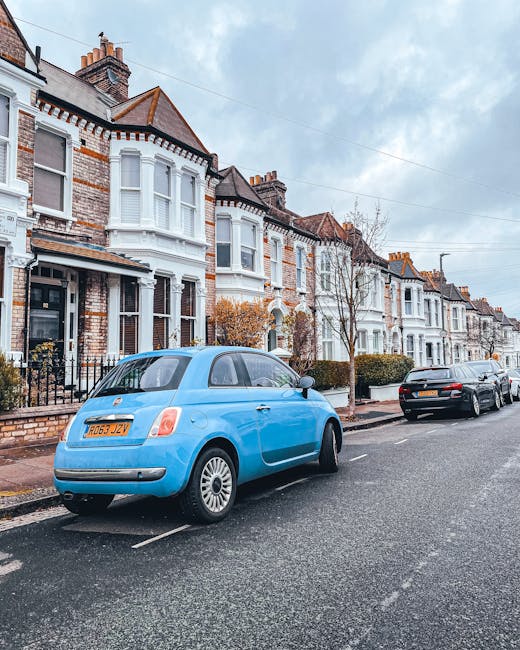
Clapham Common is a busy, lived-in part of London. Streets can be narrow, parking can be heavily controlled, and loading bays are not always where you wish they were. That means a house move here needs more than a van and a few strong arms. It needs a plan that respects road restrictions, local traffic flow, and the realities of moving bulky furniture through a residential area.
Parking issues are not a small side note. They can affect how quickly the crew can load, whether they need to park farther away, and whether extra carrying time turns a half-day move into something longer. If you are moving from a flat with shared access, or into a property where kerb space is tight, permit advice becomes part of the moving strategy, not an afterthought.
There is also a human side to it. Nobody wants their belongings sitting on the pavement while someone hunts for a legal space. Nobody wants to hear a horn behind the van every ninety seconds either. Good parking planning makes the whole day feel less chaotic. And in a place like Clapham Common, where everyday traffic and local parking controls can change from one street to the next, that matters quite a lot.
If you are comparing service types, it can help to look at the broader picture too. A full house removals Lambeth service may be the right fit if you have a larger property, while a smaller access-heavy job might be better suited to man with a van support in Lambeth. The parking plan should match the move, not the other way round.
How Clapham Common house removals and parking permit advice Works
At a practical level, the process is simple: you identify where the vehicle needs to stop, check whether that space is controlled, and then secure the correct permission if required. But the details matter. Some roads allow loading only at certain times, some permit bays are resident-only, and some streets are so tight that a slightly smaller removal van makes the whole thing easier.
In many local moves, the key questions are:
- Can the removal vehicle park close enough to the front door?
- Is there a controlled parking zone, shared-use bay, or suspension requirement?
- Do you need to apply for permission in advance, or can the van use an existing loading space?
- Will you need help managing access, stairs, or a long carry from the van to the property?
That is why move planning near Clapham Common often starts with a simple street check. A moving team may ask for the postcode, property type, floor level, and whether the road has restrictions. If you are arranging a bigger transition, such as moving out of a family home or consolidating storage, the service may also need additional time for dismantling, wrapping, or multiple trips. For extra support, some people choose removal services in Lambeth rather than handling the access side alone.
Here is the basic flow most smooth moves follow:
- Check the property access and parking situation.
- Confirm if a permit, loading dispensation, or parking suspension is needed.
- Book the removal date and keep timing realistic.
- Prepare items, labels, and any parking documents in advance.
- On moving day, keep one person available to guide the vehicle if needed.
Simple enough on the surface. But when the street is busy at 8:30 a.m. and the sofa won't fit round the stairwell first time, a bit of planning suddenly feels very wise.
Key Benefits and Practical Advantages
Getting the parking side right is not only about avoiding fines. It gives you a cleaner, quicker, and less stressful move. That is the real payoff.
Here are the main benefits:
- Less downtime: The crew can get straight to loading instead of searching for legal parking.
- Lower disruption: Neighbours, pedestrians, and traffic are less likely to be affected.
- Reduced carrying distance: Shorter walks from van to door mean lower risk and faster handling.
- Better cost control: Delays and extra labour time can push up the final bill.
- Safer handling: A properly parked vehicle supports safer lifting and fewer awkward manoeuvres.
There is also a quality-of-service advantage. When the access plan is sorted early, the moving team can focus on protecting furniture, managing the route out of the property, and keeping your day moving. That is especially useful if you have fragile items, large wardrobes, or awkward staircases.
For many customers, the biggest benefit is simply peace of mind. You know the van has somewhere legitimate to stop. You know the booking is realistic. And you do not have to spend the morning apologising to the driver while trying to negotiate with a delivery truck.
It is worth noting that access planning can also support sustainability. A move that avoids unnecessary circling, repeated trips, or rushed driving is usually calmer and more efficient. If that matters to you, see also the company's recycling and sustainability approach for ideas on responsible disposal and reuse.
Who This Is For and When It Makes Sense
This advice is useful for anyone moving in or around Clapham Common, but some situations make it especially important.
It makes sense if you are:
- moving from or into a flat on a controlled residential street
- living in a property with limited front-of-house parking
- using a removal van that may need more space than a standard car bay
- moving on a weekday when road activity is at its peak
- booking a same-day or short-notice move
- transporting furniture that needs careful loading and unloading
Students, sharers, and first-time renters often need this guidance most. A one-bedroom flat can still be awkward if the lift is tiny, the road is narrow, and the only space outside is a resident bay. That is why student removals in Lambeth often benefit from simplified access planning and smaller vehicle coordination.
It also matters for people moving within the borough who assume local knowledge is enough. Sometimes it is, sometimes it is not. A street that looks fine at midday may be heavily restricted by evening. Or the bay you noticed last week might be unusable on the exact morning of your move. Happens all the time, honestly.
If you are storing items temporarily, moving between addresses, or splitting a home into multiple stages, the parking and access strategy becomes even more important. In those cases, a combined plan using storage options in Lambeth alongside the move can make the whole process easier to manage.
Step-by-Step Guidance
A good move is usually the result of small decisions made early. Here is a straightforward way to handle Clapham Common removals with parking in mind.
1. Check the street outside the property
Stand outside and look carefully at the parking signs, road markings, and any loading restrictions. If possible, check both the origin and destination addresses. The van may be fine at one property and awkward at the other. That is where many people get caught out.
2. Measure the access properly
Think beyond the front door. Is there a front garden wall? A narrow gate? A staircase with a sharp turn? An extra-long carry can affect timing more than people expect. If furniture is bulky, it may also influence the kind of vehicle you need. For larger items, a dedicated furniture removals service in Lambeth can help reduce risk and speed up handling.
3. Confirm what kind of parking permission is needed
Depending on the street, you may need a permit, suspension, or loading arrangement. Some locations allow short stops for loading, but those rules are not universal. If you are unsure, check with the relevant local authority or ask the removal provider to advise based on the addresses you give them.
4. Book the move with realistic timing
Do not squeeze a complex move into a tiny window just because it sounds efficient. A parking delay can eat up that cushion very quickly. If your property is on a busy road or you are moving at a peak time, add breathing space. Your future self will thank you.
5. Prepare documents and access details
Keep permit confirmation, access notes, concierge instructions, and any contact numbers ready. If your building has a gate code or loading point, tell the mover in advance. A ten-second message can save ten minutes of standing around in drizzle, which is not exactly the London dream.
6. Protect the loading zone on the day, within the rules
If you are allowed to reserve the space legally, make sure the vehicle can reach it without obstruction. Keep routes clear inside the property too. Doorways, hallways, and stairwells should be ready for traffic before the van arrives.
7. Keep one person available to coordinate
Someone should be on hand to answer questions about access, keys, and item priorities. Even a very organised move can slow down if the team has to wait for a decision about a cupboard, a parking bay, or which mirror goes first.
A simple rule helps here: if the route to the van is unclear, sort the route before the boxes start moving. Always.
Expert Tips for Better Results
Over time, certain habits consistently lead to smoother removals around Clapham Common. Nothing flashy. Just the kind of practical detail that saves time and stress.
First, choose the vehicle size with the street in mind. A larger van is not automatically better. In a tight road, a slightly smaller vehicle may park more easily and reduce the chance of blocking access. If your move is compact, a removal van in Lambeth that suits the road layout can be more efficient than a bigger truck that struggles to fit.
Second, think in terms of carrying distance. A legal parking space that is far from the entrance can still cause delays. Sometimes a closer loading arrangement is worth a little extra admin if it avoids long trips with heavy items. That is especially true for wardrobes, bookcases, and white goods.
Third, separate fragile items early. The more time the crew spends searching for a delicate lamp or packing a last-minute box, the longer the van may be waiting. It sounds small, but on a moving day, small becomes large very quickly.
Fourth, keep the removal path clear. It is amazing how often a bin, plant pot, or bicycle quietly becomes the villain of the day. Move it before the van arrives. It takes seconds.
Fifth, use trustworthy support for complex jobs. If you want a wider overview of what is available, the services overview is a useful place to compare moving support, while about us helps you understand the team behind the work.
One more thing: ask questions. Good movers would rather clarify access details before arrival than improvise under pressure. That is not fussiness. That is professionalism.
Common Mistakes to Avoid
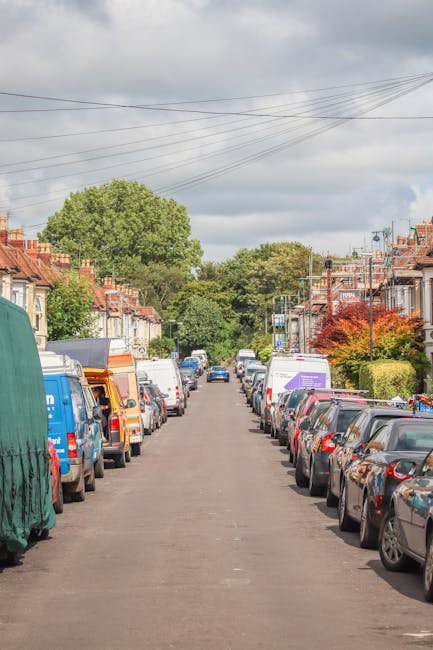
Most moving problems around Clapham Common are predictable. That is the frustrating part and the good news. Predictable problems can be avoided.
- Assuming parking will be easy: It often is not, especially near controlled streets.
- Leaving permits until the last minute: This is a classic stress multiplier.
- Ignoring the destination address: A move can go smoothly out of one property and stall at the other.
- Underestimating staircase or corridor difficulty: Tight internal access slows the day just as much as parking does.
- Forgetting loading restrictions: Not every bay can be used at every time of day.
- Choosing the wrong service level: A basic van hire approach may not suit a move with heavy furniture or awkward access.
Another common issue is failing to account for building management rules. Some blocks have specific loading instructions, fob access requirements, or time windows for use of communal entrances. If you are moving from a managed building, get those details early. It sounds obvious, then somehow people still forget. Human nature, eh?
A final mistake is not factoring in the weather. A damp pavement, a bit of wind, a rainy morning - all of that makes lifting slower and more careful. Not a disaster, just something to plan around. London weather likes to keep everyone honest.
Tools, Resources and Recommendations
You do not need a full project-management setup for a house move, but a few simple tools make a real difference.
- Phone maps and street view: Helpful for checking road width, bay placement, and approach routes.
- Measurements tape: Useful for checking doorways, lifts, and awkward furniture dimensions.
- Labels and marker pens: Simple, but they save time at both ends of the move.
- Removal boxes and wrapping materials: Especially important for fragile items and mixed household goods.
- Permit or booking confirmations: Keep them accessible on your phone and, if possible, printed too.
If you are still comparing options, packing and boxes in Lambeth can help you get the materials side sorted before moving day. And if you want to understand pricing structure before you commit, the pricing and quotes page is a practical place to start.
For more complex or urgent timings, you may also want to explore same-day removals in Lambeth. Short-notice moves near Clapham Common can work well, but only when access and parking are checked early enough to avoid surprises.
If you care about the handling side too, especially for valuable or awkward items, review the company's insurance and safety information. That gives you a clearer idea of the practical safeguards behind the service.
Law, Compliance, Standards, or Best Practice
Parking, loading, and road use in London sit within local rules, and those rules can vary by street and by time. Because of that, this topic is best approached as a best-practice issue rather than something to guess at. If a bay is controlled, or if an area requires specific permission, follow the relevant local guidance rather than assuming a quick stop is fine.
From a removal-industry perspective, the most sensible standard is simple: plan access before arrival, communicate clearly with the customer, and avoid creating unsafe conditions for the crew or the public. Good moving practice usually includes:
- clear pre-move access checks
- careful handling of large or heavy items
- reasonable loading time planning
- respect for neighbours, pedestrians, and traffic flow
- appropriate insurance and operational safeguards
If you are unsure about a parking arrangement, check the local authority's current rules or ask the service provider to help interpret the street-level practicalities. Better to clarify beforehand than to improvise on the day. That goes for private roads, residential estates, and managed blocks too.
Trust also matters. If you want to know more about business standards and policies, you can review the company's terms and conditions, health and safety policy, and modern slavery statement. These pages help show the kind of operational transparency that readers often appreciate before booking.
Options, Methods, or Comparison Table
Different move types need different parking approaches. Here is a practical comparison to help you decide what is likely to suit your situation.
| Move type | Typical access challenge | Parking approach | Best fit |
|---|---|---|---|
| Small flat move | Stairs, limited bay space, short carry | Smaller van, short loading stop if permitted | Students, sharers, one- or two-room moves |
| Family house move | More items, heavier furniture, longer loading time | Booked permit or clearly agreed loading space | Full household removals |
| Managed block move | Lift access, concierge rules, communal routes | Permission from building and road access checked early | Flats with shared entrances |
| Urgent same-day move | Tight timings, reduced planning window | Pre-checks done fast, flexible vehicle choice | Short-notice relocations |
| Specialist item move | Weight, fragility, awkward dimensions | Space reserved close to door, careful handling plan | Pianos, antiques, heavy furniture |
In many real moves, the best option is not the biggest vehicle or the cheapest quote. It is the option that balances access, load size, and parking reality. That sounds plain, but it is often the deciding factor between a smooth day and a bit of a scramble.
If your move includes a specialist item, you may want to explore piano removals in Lambeth. Those moves especially benefit from precise parking, level access, and careful route planning.
Case Study or Real-World Example
Imagine a two-bedroom flat just off Clapham Common with a narrow residential road outside. The resident has a sofa, dining table, bed frames, several boxes, and a few fragile lamps. The first instinct is to book the van for early morning and hope for the best. But the parking outside is controlled, the street is busy by school-run time, and the lift is small. Not ideal.
Instead, the move is handled in a more measured way. The property details are checked first. The mover is told about the narrow staircase and the limited parking. A suitable van is chosen, the pickup time is set with a bit of breathing room, and the customer prepares the packing the evening before. The route from flat to van is cleared, and a person stays available to answer access questions.
The result? Less waiting, less carrying distance, and far fewer surprises. Nothing magical. Just the usual benefit of doing the boring bits well. Sometimes boring is exactly what you want on moving day.
This kind of planning is especially useful in areas around Clapham Common because local streets can be deceptively tricky. A road that looks fine for everyday parking may be less forgiving once a van is involved. If your route is complex or crosses busier parts of the borough, reading a local perspective like this guide to narrow-street access near Brixton Market can offer helpful context, even if your move is not in exactly the same spot.
Practical Checklist
Use this checklist before moving day. Keep it simple and realistic.
- Confirm the pickup and delivery addresses.
- Check street signs, bay restrictions, and loading rules at both ends.
- Ask whether a permit, suspension, or loading arrangement is needed.
- Measure doorways, stairs, lifts, and any awkward turns.
- Choose the right vehicle size for the road and the load.
- Prepare parking or access documents and keep them handy.
- Label boxes clearly and pack fragile items separately.
- Clear the route inside the property before the team arrives.
- Set aside keys, contact numbers, and building instructions.
- Allow extra time for traffic, weather, or access delays.
Quick takeaway: if the parking plan is weak, everything else becomes harder. If the parking plan is solid, the whole move feels lighter. It really is that simple.
Conclusion
Clapham Common house removals and parking permit advice is really about removing friction before it becomes a problem. When you understand the street, the access, and the parking rules in advance, your move becomes calmer, safer, and more predictable. That benefits your schedule, your belongings, and the people doing the lifting.
For local moves, the best results usually come from combining practical preparation with the right service level. A bit of planning now saves a lot of standing around later. And in a part of London where streets can change character from one block to the next, that planning is worth its weight in tea, tape, and cardboard boxes.
If you are ready to plan your move properly, start with trusted local support and clear advice. A quick conversation can save a surprising amount of stress on the day.
Get a free quote today and see how much you can save.


 CALL US NOW


