Lambeth council permit rules for moving vans and loading bays
Posted on 07/07/2026
Lambeth Council Permit Rules for Moving Vans and Loading Bays
If you are moving in Lambeth, the parking side of the job can be trickier than the lifting. The streets are busy, bays can be tight, and a van that seems small on paper suddenly feels enormous when it is sitting half a metre too far from a kerb. That is where the Lambeth council permit rules for moving vans and loading bays come in. Get them right, and the whole day feels calmer. Get them wrong, and you may end up circling for space, losing time, and paying for avoidable delays.
This guide explains how the rules usually work in plain English, what moving van drivers need to think about, and how loading bays can help or complicate a move. We will also walk through the practical steps, common mistakes, compliance basics, and a few real-world scenarios that come up again and again in Lambeth. If you are organising a flat move, a house removal, or even a last-minute same-day job, this is the sort of detail that saves a lot of stress.
Quick takeaway: plan the parking first, then the packing. In Lambeth, that order matters more than most people expect.
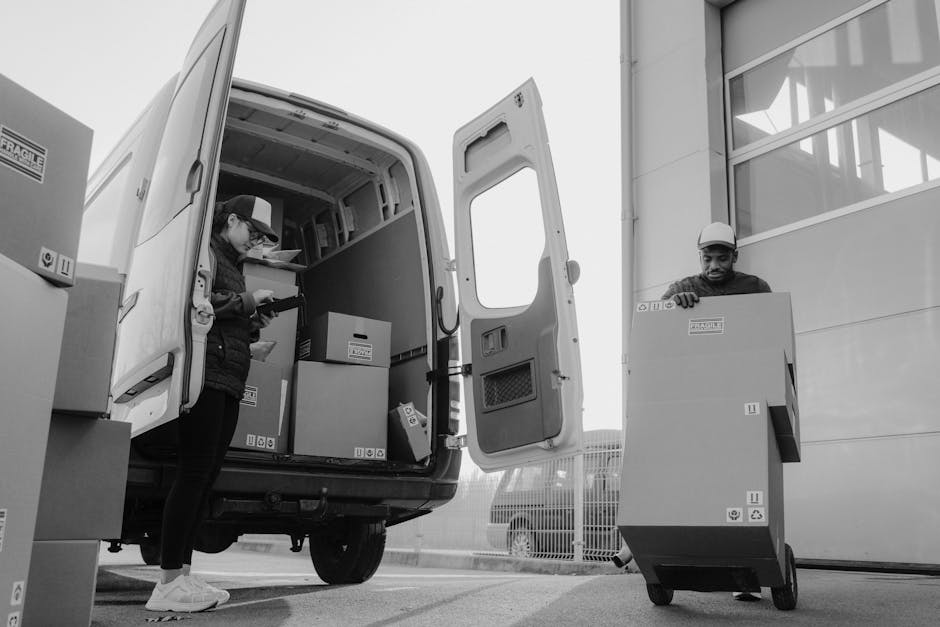
Why Lambeth council permit rules for moving vans and loading bays Matters
At first glance, a moving van and a loading bay sound simple. You park, load, leave. Easy. But Lambeth is not a sleepy cul-de-sac with endless space. It is a patchwork of busy roads, resident bays, timed restrictions, controlled parking zones, narrow one-way streets, bus routes, and the odd awkward corner where even a small van needs a careful manoeuvre.
That is why the permit rules matter. They are not just paperwork. They influence whether your van can legally stop where you need it to, how long you can stay there, and whether a loading bay is genuinely usable for a move or only suitable for a short drop-off. If you are dealing with stairs, long carries, or awkward access, the parking decision becomes part of the moving plan, not an afterthought.
To be fair, many people only notice this the day before moving. Then the panic sets in. Where can the van stop? Is there a time limit? Can a loading bay be used for the whole morning? What if another vehicle is already there? Those questions are normal. The sensible thing is to sort them early, because the parking arrangement often decides whether the move feels smooth or chaotic.
If you are planning a property move in the borough, it can also help to read around the local area and access patterns. Pages like house removals in Lambeth and flat removals in Lambeth are useful when you are thinking through the wider move, especially if your building has tight access or shared parking.
How Lambeth council permit rules for moving vans and loading bays Works
The exact arrangement depends on the road, the bay type, and the kind of movement you are making. In practice, there are usually three questions to answer:
- Is the van allowed to stop here at all?
- If yes, for how long and at what time?
- Do you need a permit, dispensation, or some other authorisation to make it work properly?
Loading bays are designed for short stops to load or unload goods. That sounds straightforward, but the detail matters. Some bays are shared, some are restricted to certain hours, and some are busy enough that finding a clear space feels like winning a tiny lottery. A moving van may be permitted to use a loading bay only for active loading and unloading, not for waiting around while everyone has a coffee and "just one more box" is found in the hallway.
In some parts of Lambeth, you may also encounter resident permit bays or pay-and-display bays with specific rules about commercial vehicles, loading, and loading times. A moving van often needs to fit around those restrictions rather than ignoring them. If a bay is unavailable, the usual fallback is to look for lawful short-stay loading, a temporary parking arrangement, or a route that reduces carry distance from a legal stop point.
That is why moving day planning should include a quick access review. Are there yellow lines? Is there a bay outside the property? Is the street too narrow for a larger van? Is the entrance on a hill, a corner, or next to a school run route? These details sound minor until you are standing there at 8:15 in the morning with a trolley and a sofa that does not want to cooperate.
For a broader look at how access affects removals in the borough, the article on access problems and stair-carry solutions is a good companion read.
Key Benefits and Practical Advantages
Getting the permit and loading-bay side right gives you more than legal peace of mind. It improves the whole logistics chain.
- Less wasted time: the van can get closer to the property, which cuts down on walking back and forth.
- Lower risk of conflict: fewer awkward conversations with residents, wardens, or other road users.
- Better crew efficiency: movers spend more time carrying items and less time searching for legal space.
- Reduced chance of fines or disruption: you are less likely to have the move interrupted by parking issues.
- Safer handling: shorter carries often mean less strain and lower risk of bumping furniture on the way in or out.
There is also a mental benefit. When the van has a clear plan, people settle. The homeowner stops hovering at the window. The removal team can get on with the job. Even the tea tastes better, somehow. Sounds silly, but anyone who has moved in London knows the difference between a well-planned curbside arrival and a van parked three streets away.
If you are comparing removal support options, the service overview at services overview helps you see how parking access, lifting support, and transport fit together as one job rather than separate headaches.
Who This Is For and When It Makes Sense
These rules matter for anyone using a van to load or unload in Lambeth, but they are especially useful for:
- homeowners moving house
- tenants moving between flats
- students with smaller but awkward moves
- office teams shifting equipment or archive boxes
- people moving bulky items like wardrobes, pianos, or sofas
- short-notice movers who cannot spend a day studying parking signs
They also make a lot of sense if your property has any of the usual Lambeth quirks: no driveway, shared courtyard access, a basement entrance, a road with heavy traffic, or a loading bay that gets used by everyone else in the street. In these cases, parking is not a side issue. It is the job.
For example, if you are moving from a top-floor flat and your building has a narrow staircase, a legal stopping point close to the entrance can save a ridiculous amount of effort. If you are moving an office, the difference between a bay outside and a distant side street can mean finishing before lunch instead of dragging the process well into the afternoon. That is why local planning matters so much.
Step-by-Step Guidance
- Check the property access first. Look at the street, the pavement width, the nearest bay, and the likely walking route from van to front door.
- Identify the bay type. Is it a loading bay, resident bay, shared bay, or a general short-stay area? The sign usually tells you more than people think.
- Confirm the time restrictions. A loading bay may not be available all day. A morning slot can be very different from an afternoon one.
- Decide whether a permit or dispensation is needed. Some moves can work within ordinary loading rules, while others need more formal permission because the vehicle will be stationary longer.
- Build a realistic loading plan. If parking is tight, pack the most important items first and keep the route clear. The van should not be waiting while someone hunts for a missing bag of chargers.
- Brief everyone involved. The driver, the movers, and the property contact should all know where the vehicle is meant to stop and what the backup plan is.
- Have a contingency. If the bay is blocked or unavailable, know the nearest lawful alternative before the move starts.
A small but useful habit: do a live walk-through the day before, if you can. Stand outside the property and imagine the van arriving. You will spot things on foot that never show up in a rushed phone call. A low wall, a tight bend, a tree, a school gate, a delivery truck habitually parked exactly where you need space. It happens.
If you are moving at short notice, a page like same day removals in Lambeth may be helpful because last-minute jobs often need faster access decisions, not just fast lifting.
Expert Tips for Better Results
Over the years, one thing becomes obvious: the best moves are not always the ones with the biggest team or the fanciest van. They are the ones with the cleanest access plan.
Here are a few practical tips that genuinely help:
- Use a smaller van where sensible. Bigger is not always better in Lambeth. A slightly smaller vehicle can sometimes park more legally and more closely.
- Keep the bay window tight. If you have a short loading slot, pre-stage boxes near the exit so the van is loaded quickly.
- Protect the route. Use mats, blankets, or card where needed so items do not scrape through doorways or on rough paving.
- Watch the clock carefully. It sounds obvious, but many loading-bay issues happen because people assume they have "just a bit longer." They often do not.
- Match the crew to the access problem. If there are stairs, long carries, or awkward turns, the moving team should know in advance.
One tiny real-world example: a move near a busy Lambeth road at 9:00 in the morning can feel twice as hard as the same move at 11:30, even if the property is identical. Traffic noise, buses pulling in, and delivery vehicles all change the rhythm. You can almost hear the street deciding to be unhelpful.
If you are juggling furniture protection as well as parking, the page on furniture removals in Lambeth is useful because large items and access planning usually go hand in hand.

Common Mistakes to Avoid
Most permit and loading-bay problems are not dramatic. They are just small avoidable errors that pile up.
- Assuming a loading bay means all-day parking. It usually does not.
- Not checking the signage on the day. Road restrictions can differ from what someone remembers from last month.
- Forgetting about bay competition. A legally correct plan can still fail if another vehicle is already in the space.
- Arriving too late. The best curbside spot often goes early, especially in busy residential streets.
- Not planning for the carry distance. If the van cannot stop close by, the move takes longer and becomes more tiring.
- Leaving the access conversation until moving morning. That is a recipe for a mild disaster, honestly.
Another common mistake is failing to match the vehicle to the property. If you are moving from a flat with a tight entrance and shared street parking, a smaller van and a sharper plan may be better than a larger vehicle that gets stuck. The same logic applies to office moves, where loading-bay timing and lift access need to be considered together. There is a helpful local read on this at common office removal delays and how to prevent them.
Tools, Resources and Recommendations
You do not need a complicated toolkit, but you do need a few reliable basics.
- Site photos: take pictures of the bay, road signs, entrance, and any obstacles.
- Measured notes: jot down rough vehicle access widths, stair turns, and distance from bay to doorway.
- Move timetable: break the day into arrival, loading, transit, unloading, and buffer time.
- Label system: clear labels make it easier to prioritise items if the loading window is short.
- Communication plan: keep the driver and property contact on the same page, preferably before the van arrives.
For some readers, the most useful resource is simply a good removal partner who understands the borough. You can look at man and van in Lambeth, man with van Lambeth, or removals in Lambeth depending on the size and complexity of the job.
If you are comparing costs or trying to understand what affects pricing, the page on pricing and quotes can help you think about the moving parts without overcomplicating things. And if security or payment reassurance matters to you, payment and security is worth a look too.
Law, Compliance, Standards, or Best Practice
This topic sits in the overlap between parking rules, council controls, and practical moving safety. The exact legal position depends on the road restrictions in force, the bay markings, and any permit or dispensation granted by the local authority. Because those details can change by location and by time of day, the safest approach is to treat the signs on the street as the starting point, not a vague memory of what worked somewhere else.
In general UK moving practice, the best standard is simple: do not assume a stopping place is usable unless it is clearly permitted for the vehicle, the activity, and the time you need. A loading bay is for active loading and unloading, not for standing around. If the job will take longer than the ordinary allowance, you should plan for formal permission or a lawful alternative. That is especially important when the vehicle could block traffic, pavements, or other users.
From a safety angle, good practice also means keeping the load secure, avoiding rushed lifting, and ensuring the van is parked in a way that reduces risk to the crew and the public. If your move involves heavier or more delicate items, the page on insurance and safety is a sensible read, as is health and safety policy if you want to understand the broader standards behind careful removals.
One more plain-English point: if you are unsure, do not gamble on "it will probably be fine." Parking enforcement does not run on optimism. It runs on signs, markings, and time limits.
Options, Methods, or Comparison Table
When planning access for a move in Lambeth, most people end up choosing one of three broad approaches. Each can work, but each has trade-offs.
| Option | Best for | Advantages | Limitations |
|---|---|---|---|
| Use an on-street loading bay | Shorter moves with direct access nearby | Closest legal stopping point; faster loading; less carrying | Time-limited; may be occupied; not suitable for long waits |
| Use a resident or paid parking space where permitted | Moves where loading bay access is poor | Can be flexible if the rules allow it; useful in calmer streets | May require more planning; longer carries are common |
| Arrange a tightly timed permit or dispensation | Longer or more complex removals | Most controlled option; can reduce disruption and risk | Needs more preparation; not ideal for every last-minute move |
For many Lambeth jobs, the first option is ideal if the road layout cooperates. But if the street is narrow, heavily parked, or busy with through traffic, the second or third route may be more realistic. Truth be told, the "best" method is the one that matches the street you actually have, not the street you hoped for.
Case Study or Real-World Example
Here is a realistic scenario. A family is moving from a second-floor flat in Lambeth with a busy road outside and no private driveway. The nearest loading bay is available in the morning, but only for a limited window. The movers arrive early, the boxes are staged in the hallway, and the van is positioned to keep the carry distance short. Because the access plan was checked the day before, the crew already knows which items are going on first and which items need extra care.
Now compare that with a less prepared version of the same move. The van turns up late, the loading bay is already taken, nobody is sure which side street is legal, and someone is trying to figure out whether the sofa can be carried down the staircase without taking a chunk out of the wall. The job still gets done, of course, but it takes longer and feels far more stressful.
The difference is rarely brute force. It is planning. Small detail, big impact.
This is also why people moving bulky items often benefit from services designed around access constraints, such as piano removals in Lambeth or packing and boxes Lambeth, where the quality of packing and the proximity of the van both matter.
Practical Checklist
Use this before moving day. It is simple, but it catches a lot.
- Confirm the exact address and street layout.
- Check whether there is a loading bay, resident bay, or no-stopping restriction near the property.
- Note the likely time window for loading and unloading.
- Take photos of signs and kerb markings.
- Plan a backup legal parking option nearby.
- Tell the mover what access issues exist: stairs, lifts, narrow corridors, or awkward turns.
- Stage the key boxes and bulky items near the exit.
- Keep phone contact live between driver and property contact.
- Allow buffer time for traffic, bay occupation, and unexpected delays.
- Check whether your move also needs storage support if the destination is not ready yet.
If storage is part of the picture, take a look at storage in Lambeth. And if your move involves students or a smaller budget, student removals in Lambeth may be more relevant than you think.
Conclusion
The main thing to remember is this: moving vans and loading bays are not just a parking issue in Lambeth. They shape the rhythm of the whole move. When the access plan is clear, the day feels manageable. When it is vague, everything takes longer than it should. That is the honest version.
So, if you are preparing a move, start with the street outside your door. Read the signs, understand the bay type, think about the carry distance, and make sure the vehicle fits the plan. That one habit can save you time, money, and a fair bit of frustration.
If you want help planning the practical side of a move in the borough, our local moving pages and guides can give you a better feel for the process, and the team is available through the contact page when you are ready to talk through your job.
Get a free quote today and see how much you can save.
And if the day still feels a bit too full of moving parts, that is normal. A good move is usually built one sensible decision at a time.



 CALL US NOW


